
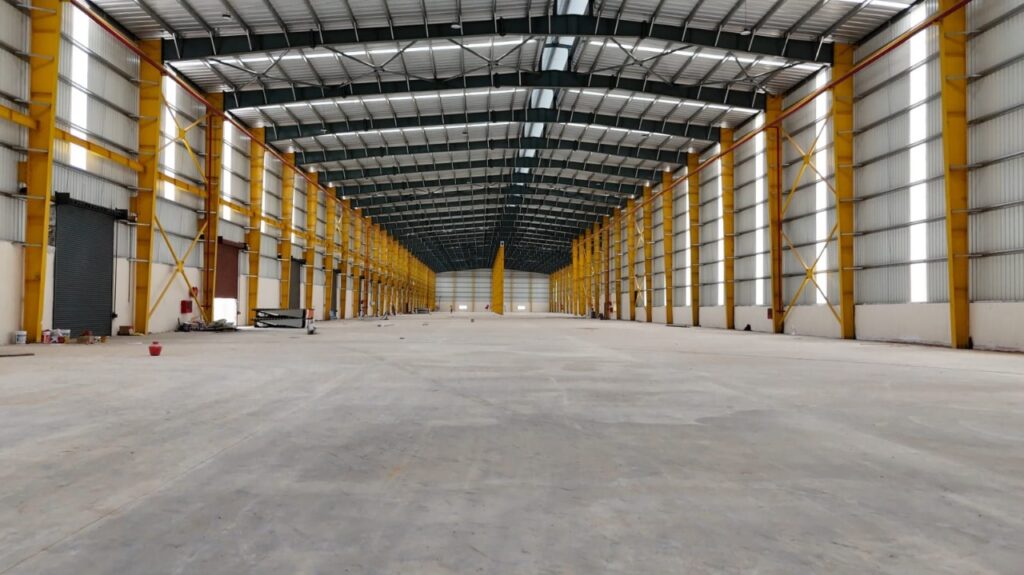
Warehouse Space for Rent: Finding the Ideal Facility for Your Business
Is your business expanding? Do you need more room for inventory, equipment, or raw materials? “Warehouse space for rent” is the key phrase that will lead you to the optimal solution for your logistics and storage needs. Choosing the right facility doesn’t just solve a space problem—it significantly improves your company’s operational efficiency and overall profitability.
Why Renting Warehouse Space is a Smart Investment
As a business grows, so do its storage requirements. Owning a private warehouse requires massive capital investment, which isn’t always justifiable, especially during early growth stages. Renting warehouse space offers a flexible, cost-effective alternative. It allows you to scale your storage according to current demand, avoid unnecessary overhead, and stay focused on your core business activities.
Key Factors to Consider Before Signing a Lease
When searching for the perfect warehouse space, consider these critical factors to ensure you select the best option:
1. Location and Logistics Efficiency
Proximity is vital for a streamlined supply chain. Ideally, your warehouse should be located near major transport corridors, highways, ports (if you handle imports/exports), and your primary distribution channels. This reduces transit time, lowers fuel costs, and increases delivery speed. In the context of Tbilisi, look for spaces in industrial zones or on the city’s outskirts to avoid heavy traffic.
2. Size and Cubic Capacity
Evaluate your current needs while leaving room for future growth. Don’t rent a space so large that it becomes a wasted expense, but ensure you won’t outgrow it within months. Pro-Tip: Consider the ceiling height as well as the square footage. Effective use of vertical space (racking systems) allows for maximum storage volume in a smaller physical footprint.
3. Storage Types and Specialized Features
• Dry Storage: Standard warehouse units suitable for most general goods and equipment.
• Cold Storage / Freezers: Essential for perishables like food, pharmaceuticals, and flowers. Always verify the stability of temperature control systems.
• Open-Air Storage Yards: Ideal for oversized items or weather-resistant goods like construction materials and heavy machinery.
• Specialized Facilities: Some businesses require specific setups for hazardous materials or bonded storage.
4. Security and Asset Protection
The safety of your stock is paramount. Ensure the facility is equipped with:
• 24/7 CCTV surveillance and alarm systems.
• Professional on-site security personnel.
• Modern fire suppression and sprinkler systems.
• Controlled entry and exit points for staff and vehicles.
5. Infrastructure and Value-Added Services
• Integrated Office Space: Many businesses find it convenient to have a small administrative office on-site.
• Loading Docks and Ramps: Ensure there is ample space for truck maneuvering and efficient loading/unloading.
• Freight Elevators: Essential if the warehouse operates across multiple levels.
• Digital Connectivity: High-speed internet is a must for modern inventory management software and real-time logistics tracking.
6. Pricing and Lease Flexibility
Compare different quotes carefully. Clarify whether the rent includes utilities, security fees, or maintenance costs. Review the lease terms, including the duration, renewal options, and termination clauses, to ensure they match your business roadmap.